The Role of Luck in Card Games
Luck plays a fundamental role in many card games, acting as a variable that can sway the outcome significantly. In games like poker, players are dealt cards that they have no control over, and the random selection can impact the results of the game immensely. This element of chance means that even the most skilled players can find themselves at a disadvantage simply because of a poor hand. Interestingly, many gamblers turn to a fast withdrawal online casino to enjoy the excitement, hoping that their luck may manifest itself in streaks, where players may experience winning or losing phases throughout their gaming sessions.
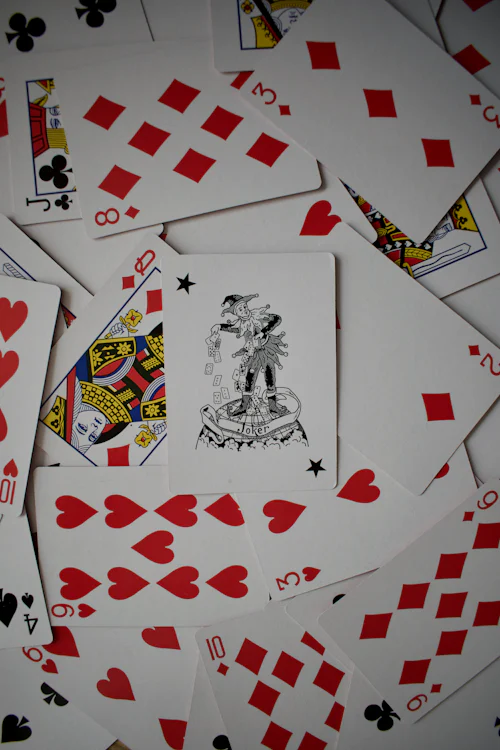
Moreover, the unpredictability of luck creates an intriguing dynamic in gambling environments. It adds an element of excitement and tension, as players hope for favorable outcomes while relying on their abilities to maximize their potential winning combinations. However, it’s essential to recognize that while luck may lead to immediate gains, it is often temporary. Players who understand the odds and strategize accordingly can mitigate luck’s impact on the overall game, making calculated decisions based on the probabilities they face.
That said, the interplay between luck and skill cannot be overstated. Many players enter into games believing that a fortunate hand will guarantee success, but experience shows that a deeper understanding of the game’s nuances often leads to more consistent results. The truly skilled players recognize the importance of adjusting their strategies based on not only their hand but also the perceived hands of their opponents, illustrating that while luck is a factor, it does not solely define success in card games.
The Importance of Skill
Skill in card games encompasses a range of abilities, including strategic thinking, psychological insight, and risk management. A skilled player will not only know the rules of the game but also understand the probabilities and have the capacity to read their opponents effectively. For instance, in games like bridge or poker, players can use their knowledge to make informed decisions that significantly influence the outcome of a match. This level of expertise involves years of practice, honing techniques to outmaneuver less experienced players.
Furthermore, skill allows players to take control of their fate within a game. While luck may deliver a fortunate hand, it is the skilled player who can capitalize on that advantage best. They can employ strategies such as bluffing, betting patterns, and player psychology to increase their winnings or mitigate losses. This proactive approach often leads to consistent success over time, as the combination of skill and strategic play can outweigh occasional bouts of bad luck.
Additionally, the aspect of skill extends beyond individual games. In tournament settings, where multiple games occur, the ability to adapt and refine strategies enhances the chances of prolonged success. Players who consistently analyze their performance, learn from mistakes, and adjust their techniques will find that their skill provides a notable advantage in the long run, further emphasizing that while luck may influence immediate results, skill is crucial for sustained victories.
The Balance Between Skill and Luck
The relationship between luck and skill in card games is a complex one, often described as a balance. In the short term, luck can overshadow skill, as a player may hit a streak of good fortune that propels them to the top. However, if we look at the broader scope of gameplay, particularly in high-stakes environments, skill consistently proves to be a more significant factor in determining success. Various studies have shown that the best players tend to win more often than their luckier counterparts, indicating that skill ultimately governs long-term outcomes.
Moreover, certain games may necessitate a more strategic approach than others. For example, while a game like blackjack involves significant elements of luck due to the card draw, skilled players can employ strategies to manage their bets and influence outcomes. Similarly, in games like Texas Hold’em, the ability to calculate odds, bluff effectively, and manage one’s chip stack becomes essential. This deeper understanding showcases that players who develop their skills will often outperform those who solely depend on luck.
Finally, player psychology is a vital component of this balance. Recognizing patterns, predicting opponents’ behavior, and managing one’s emotions during critical moments can significantly tilt the odds in favor of the skillful player. Thus, while luck will always have a role in card games, it is the strategic application of skill that ultimately enables players to navigate the uncertain waters of chance, tipping the scales in their favor over the long term.
Learning from Both Skill and Luck
Understanding the dual reliance on skill and luck in card games can offer new perspectives for players looking to improve their game. Many renowned players emphasize the importance of learning from both winning and losing experiences. When players attribute their victories to luck, they might overlook the strategic moves they made that contributed to their success. Similarly, recognizing the role luck plays in losses can spur players to refine their skills further and mitigate the impact of chance in future games.
Moreover, analyzing hands and decisions after gameplay can provide invaluable insights. Players can assess moments when luck was on their side versus times when their skills led to poor outcomes, highlighting areas for improvement. Engaging in discussions with fellow players about these experiences can lead to new strategies and deeper understandings of the game, fostering a community where learning is paramount.
Additionally, online platforms and resources provide players with opportunities to engage in simulated environments where they can practice their skills without financial risk. These platforms often incorporate elements of luck, allowing players to experience firsthand how skill can outweigh luck in various scenarios. Through extensive practice and analysis, individuals can create a balanced approach, appreciating the role of luck while honing their craft to become more adept players.
The Importance of Embracing Both Aspects
Ultimately, a player’s success in card games hinges on their ability to embrace both skill and luck. Accepting that luck is an inherent part of gameplay can improve a player’s mental state, fostering resilience. Acknowledging that outcomes may sometimes be beyond one’s control makes it easier to remain focused on the aspects that can be controlled. Players who learn to maintain a balanced viewpoint often experience greater satisfaction, regardless of the immediate results.
Moreover, this balance can lead to healthier gaming habits. When players understand that skill can help mitigate the impacts of luck, they are likely to pursue continuous learning rather than relying on sheer chance. This proactive approach not only enhances their gameplay but also creates a more enjoyable experience overall. Such balanced attitudes encourage a lifelong pursuit of mastery in card games, ensuring that players remain engaged and invested.
In conclusion, the interplay between skill and luck in card games is a dynamic that every player must understand. By focusing on skill development while acknowledging the role of luck, players can create a more enjoyable and rewarding gaming experience. Whether playing for leisure or competitive purposes, fostering a balanced perspective will undoubtedly maximize the potential for success in the intriguing world of card games.
